
Time as Stasis and Repetition
The Box ManThe narrative’s unstable chronology makes waiting, rehearsing, and repeating feel more powerful than measurable clock time.
increasing Bearing strength in each event
 decreasing
Bearing strength in each eventdecreasingThe Box Man’s Lost Clock
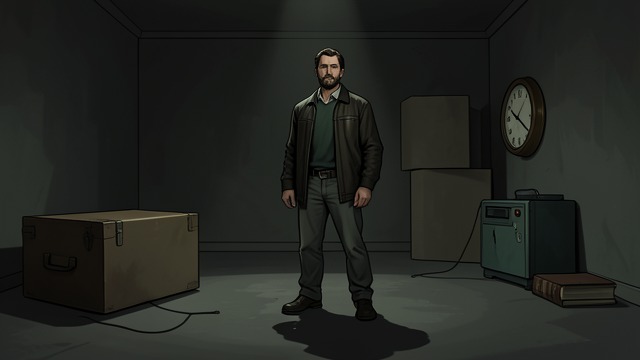
Time Without Coordinates
A chronic disorientation
The narrator describes paralysis of his sense of direction and difficulty measuring time. Life in the box weakens ordinary cues tied to residence, work, and daily schedules.
Experience replaces sequence
Moments are organized by sensations, weather, and objects rather than a reliable calendar. The narrator’s account therefore makes chronology feel as unstable as identity.
A Dream Stretched Out
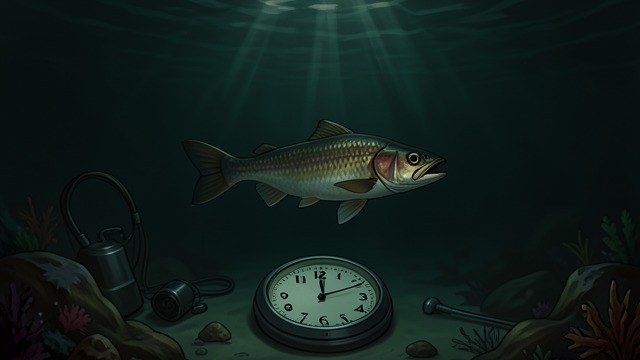
Terrestrial Seconds Become Weeks
Unequal durations
The dream fish experiences time far more slowly than a person on land. A brief terrestrial interval may feel like days or weeks beneath the sea.
Boredom within suspension
The dream first promises freedom from gravity, but prolonged time becomes unbearable. The altered rhythm shows that escape from ordinary limits can produce a new kind of captivity.
The Beach Pages Accumulate
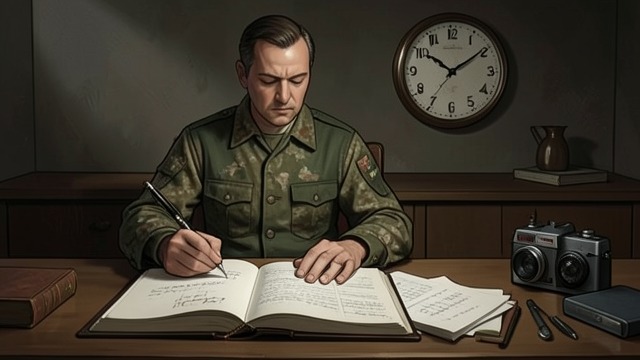
Notes Faster Than the Clock
A chronology challenged
The narrator writes many pages in a period that the fake box man claims is too short to contain them. The watch, page count, and remembered start time refuse to agree.
Writing outruns experience
Instead of resolving the discrepancy, the narrator asserts the authority of his notes. The act of narration becomes a force that can distort or replace measurable time.
Eight O’Clock Repeats
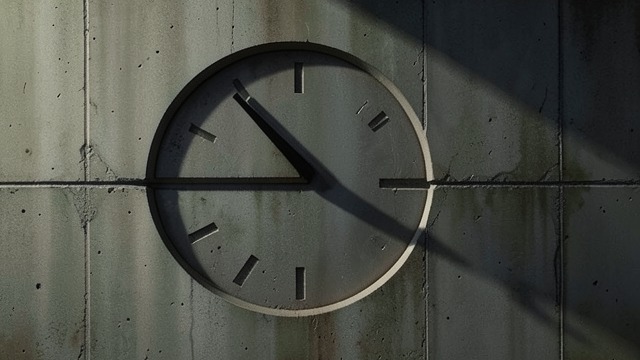
A Worn Place on the Clock
Repeated attention
A poem describes the clock’s area around eight as more worn than its other markings, from being watched twice a day. The hours become uneven through repetition and desire.
The world runs a lap ahead
The narrator suggests that the world he thinks he sees has not yet begun. This image makes time a mismatch between private expectation and events that continue beyond it.
A Play Without a Bell

The End Arrives Quietly
A performance in progress
The narrator frames his courtship as a story unfolding in the present, with another person assigned a role. The performance is meant to make sensation feel real even when its ending is unknown.
An unannounced ending
Toyama Yoko leaves without a curtain bell, and the narrator accepts that the scene has ended without a decisive resolution. Time closes the encounter without proving what it meant.
During the narrator’s reflections on time outside the hospital
During the shell-grass fish dream
During the narrator’s pre-dawn writing at the beach
During the narrator’s account of life with the nurse
At the close of the courtship sequence
